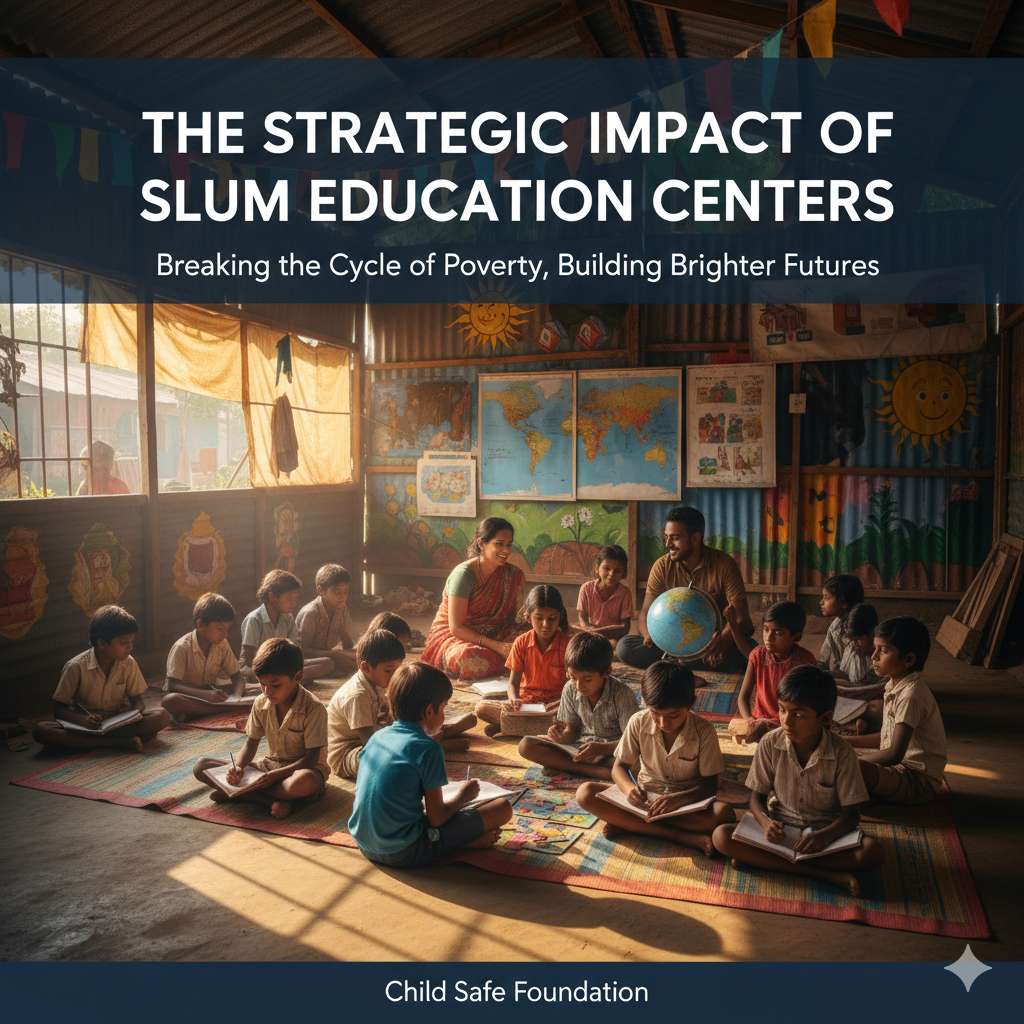
Education shapes the future of every child. However, thousands of children living in slum areas struggle to access quality learning opportunities. Poverty limits resources, unstable home environments affect focus, and overcrowded schools reduce individual attention. Therefore, education centers in slum communities play a powerful and transformative role.
Bridging the Learning Gap
First generation learners often enter school without academic support at home. As a result, many fall behind in reading, writing, and basic mathematics. Education centers address this gap directly. They provide structured tutoring, homework guidance, and personal attention. Moreover, teachers identify weak areas early and work consistently to improve performance. Consequently, children gain stronger foundations and perform better in school.
Preventing School Dropouts
Financial stress and social pressure frequently push children to leave school. In contrast, education centers motivate children to continue their studies. They regularly communicate with parents and emphasize the long term value of education. Additionally, they track attendance and encourage discipline. Because of this consistent follow up, dropout rates decrease and commitment to learning increases.
Creating a Safe Learning Environment
Slum areas often expose children to unsafe surroundings and negative influences. However, education centers create structured, positive spaces where children feel secure. They establish clear rules, promote respect, and encourage healthy interactions. As a result, children focus better and develop emotional stability. Furthermore, a safe environment builds trust and improves self confidence.

Encouraging Holistic Development
Education centers do more than teach textbooks. They also develop communication skills, leadership qualities, and moral values. Through storytelling, group activities, and creative sessions, children learn teamwork and problem solving. In addition, awareness programs teach hygiene, discipline, and social responsibility. Therefore, children grow not only academically but also socially and emotionally.
Building Confidence and Future Aspirations
Many underprivileged children limit their dreams because of their circumstances. However, education centers introduce them to new possibilities. Mentors guide them, share success stories, and encourage goal setting. Gradually, children build confidence and believe in their potential. As a result, they start aiming for higher education and stable careers.
Strengthening the Community
Education centers also involve parents in the learning process. They organize meetings, explain academic progress, and highlight the importance of consistent schooling. Consequently, families become more supportive. Over time, this collective effort strengthens the entire community and promotes a culture of education.
Conclusion
Education centers in slum areas act as catalysts for change. They reduce learning gaps, prevent dropouts, build confidence, and strengthen communities. Most importantly, they give children hope and direction. When organizations invest in community education, they break the cycle of poverty and create lasting impact.
Child Safe Foundation continues to support education centers because every child deserves opportunity, dignity, and a brighter future.